
The Golden Rhythm
On New York in March 2020, Joan Didion, Elisabeth Kubler-Ross, and Bagels.

On New York, Joan Didion, Elisabeth Kubler-Ross, and Bagels.
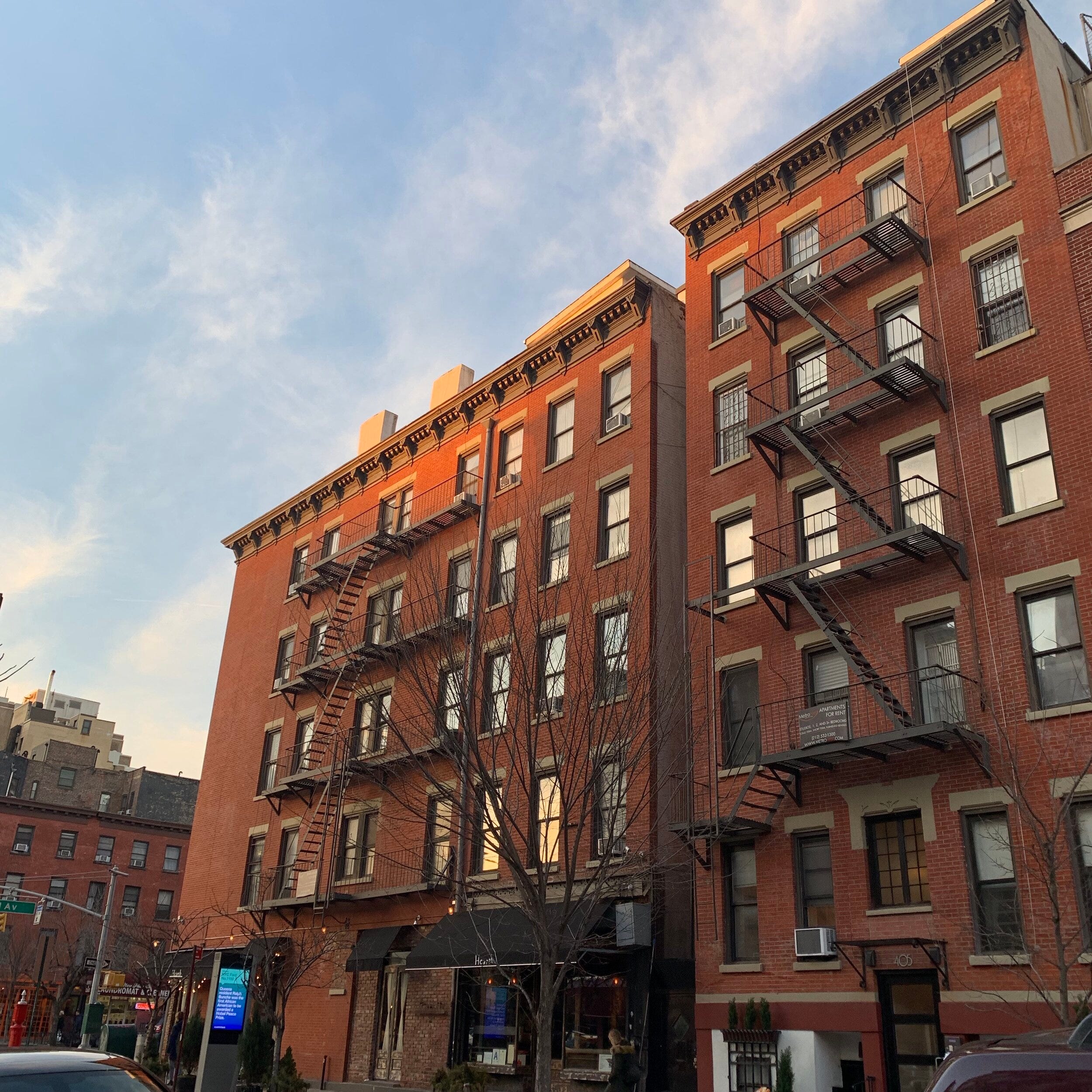
I don't write love letters, especially to places. A place cannot return a letter back. It cannot sign off with 'xoxo', seal an envelope by licking the sticky side, and place a liberty bell stamp on the corner.
There's a lot of things I say I don't do. I say I don't watch reality TV, but I suspiciously know a lot about The Bachelor. In the spirit of doing things I don't usually do, I guess I'll write a love letter. I guess I'll write about how much I miss New York and the cadence of everydayness.
Actually, forget it - this is not a love letter.
There is nothing rational about love. This is a loss letter. I don't want to believe that the city as I knew it will only exist in the past tense. I don't want to believe that I'll start saying, "I used to, I miss, I should have". But I'm already saying it.
"It is easy to see the beginning of things, and harder to see the ends." writes Joan Didion in her 1967 essay Goodbye To All That. She chronicles her twenties in New York, where opportunity felt infinite. Newness was promised on every corner. As she neared 30, city life had lost its charm. "I was very young in New York, and that at some point the golden rhythm was broken, and I am not that young anymore."
It is, for all of us, hard to see the end. Days before spring break, which would inevitably be the last time my friends would be in the city, we sat on my roof believing that this was all going to pass. We would see each other again, we would have springtime, we would lay under green trees to the sound of a jazz trio and a roaring fountain. We believed that the golden rhythm could not be broken. Our lives were on the brink of beginning - new internships, new relationships, a promise of the 20s in an urban playground. In reality, this was the end.
I could write about how I miss bagels, 6 dollar lattes, and Mike from B&H Dairy who says "brotha brotha, sista sista, welcome back" when Sam and I give up on trying to wait in the line for Mudspot brunch on Sundays. I could write about how I miss subway surfing on the L train because it was packed in like sardines and it would be impossible to fall. The 'missing' of something implies, in my mind at least, a hopefulness that it might come back. Certainly, it might - but not for a while.
This is not a love letter to a place. While this is not about love, this is not about fatalism either. Instead, I want to understand loss. We all have or will experience grief. In Elisabeth Kubler-Ross's On Death and Dying, the final grief stage is acceptance. Accepting that things are lost that will not return. This seems like a lifetime away for me. For now, I want to grapple with the fact that things have ends.
I don't write love letters, especially to places. A place is located by latitude and longitude coordinates. It does not move. I move. I can change where I am and how I think. Instead of writing a love letter, I will let myself move through loss. There's no psychological benefit to denying grief. My heart is a New York bagel, with a hole in the center of it. But, as poet Nayyirah Waheed tells us, your heart is the softest place on earth. take care of it.